Our Story
Building Resilient Communities
A Public Benefit Organization working at the critical intersection of climate adaptation and disaster risk management in Kenya's North Rift region.
A Public Benefit Organization working at the critical intersection of climate adaptation and disaster risk management in Kenya's North Rift region.
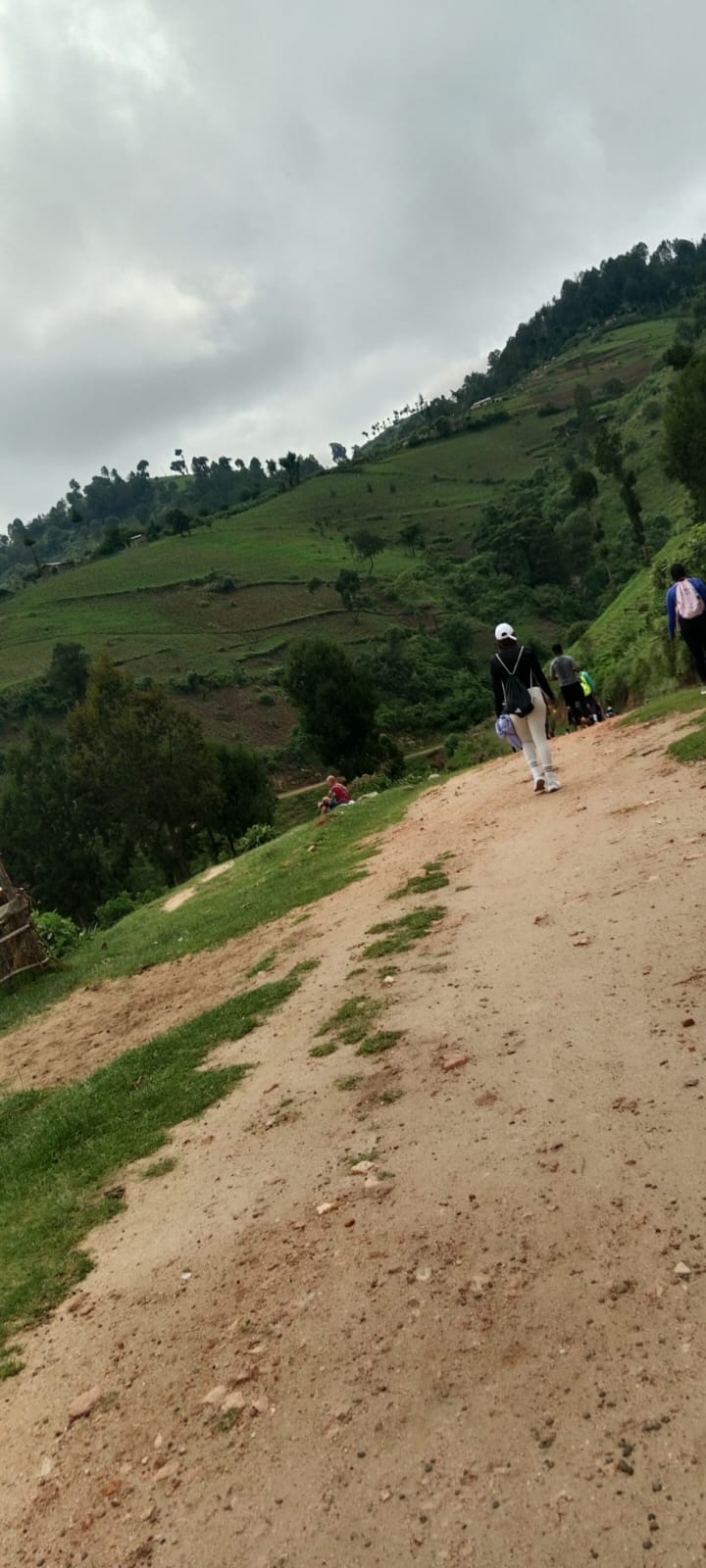
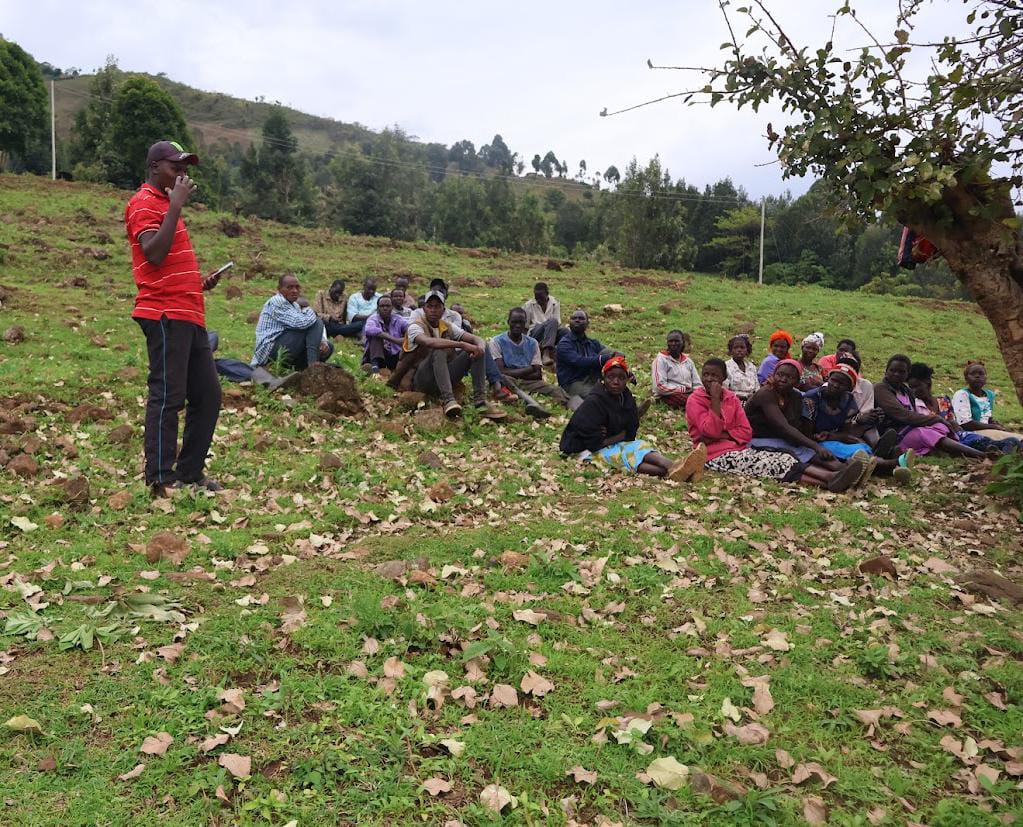
Operating from the challenging terrain of Elgeyo-Marakwet and surrounding counties, the organization was born in 2022 out of lived experiences.
Our founders grew up within these localities and directly experienced the devastating impacts of floods and landslides. This deep personal connection drives our commitment to ensuring local solutions contribute to global climate resilience goals.
"We co-create innovative solutions with communities that address both the chronic stresses of climate change and the acute shocks of climate-related disasters."
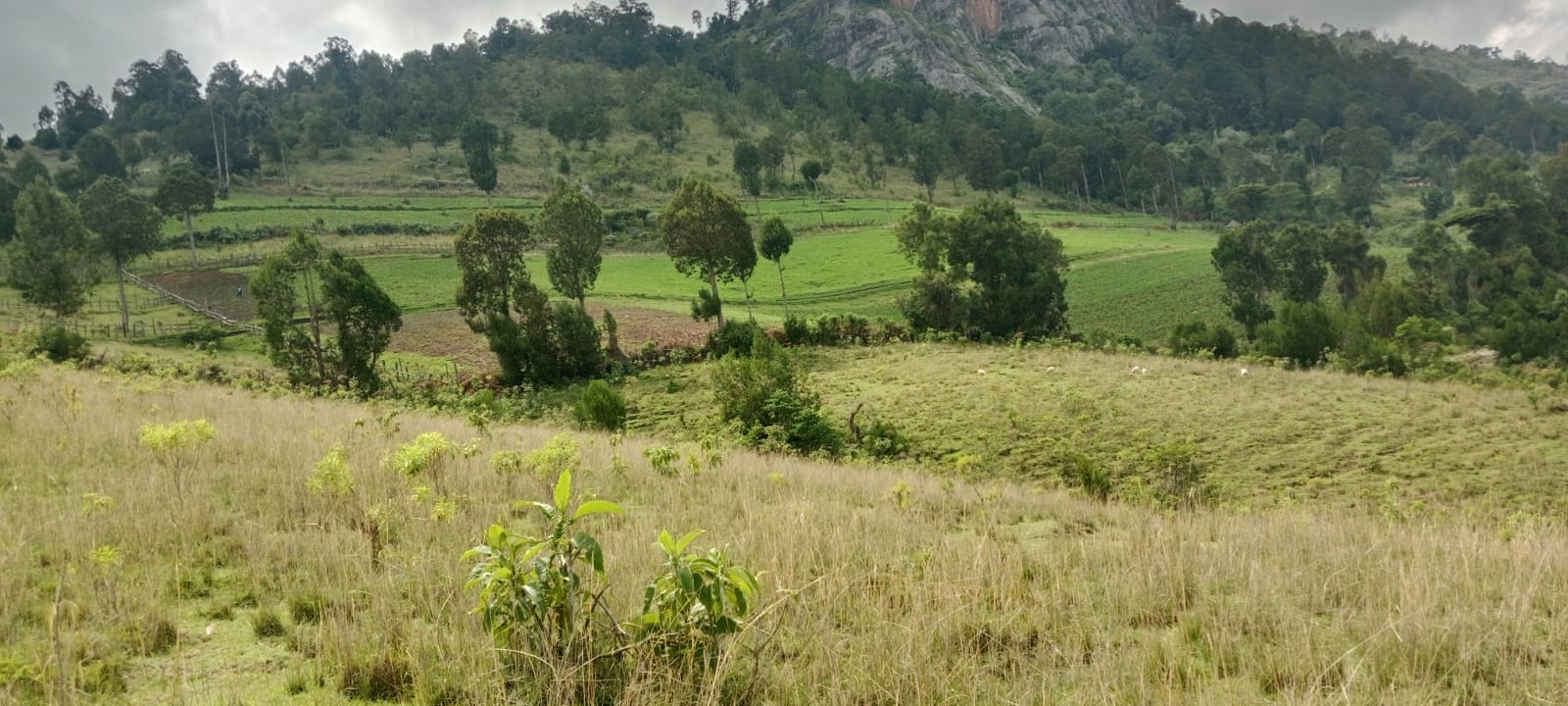
Our work is anchored on international, continental, and national frameworks ensuring every step we take is part of a larger movement.
Climate Action: Strengthening resilience and adaptive capacity to climate-related hazards.
Aspiration 1: Environmentally sustainable and climate resilient economies and communities.
Global Goal on Adaptation: Enhancing adaptive capacity and reducing vulnerability.
Kenya's National Climate Change Action Plan (2023–2027) guiding local strategy.
Communities are not beneficiaries; they are co-designers.
Through our participatory engagement approach, every project begins with community voices, lived experiences, and local knowledge.
We use structured dialogue and critical questioning to help communities identify their own risks and opportunities, ensuring that interventions are not imposed from outside, but built from within.
"We are committed to responsible stewardship of resources, ensuring that at least 80% of all funds are directed to community program activities."
Every donated shilling is optimized for the field, minimizing overhead to maximize community benefit.
Annual financial audits are conducted to uphold trust, with audited statements available upon request.
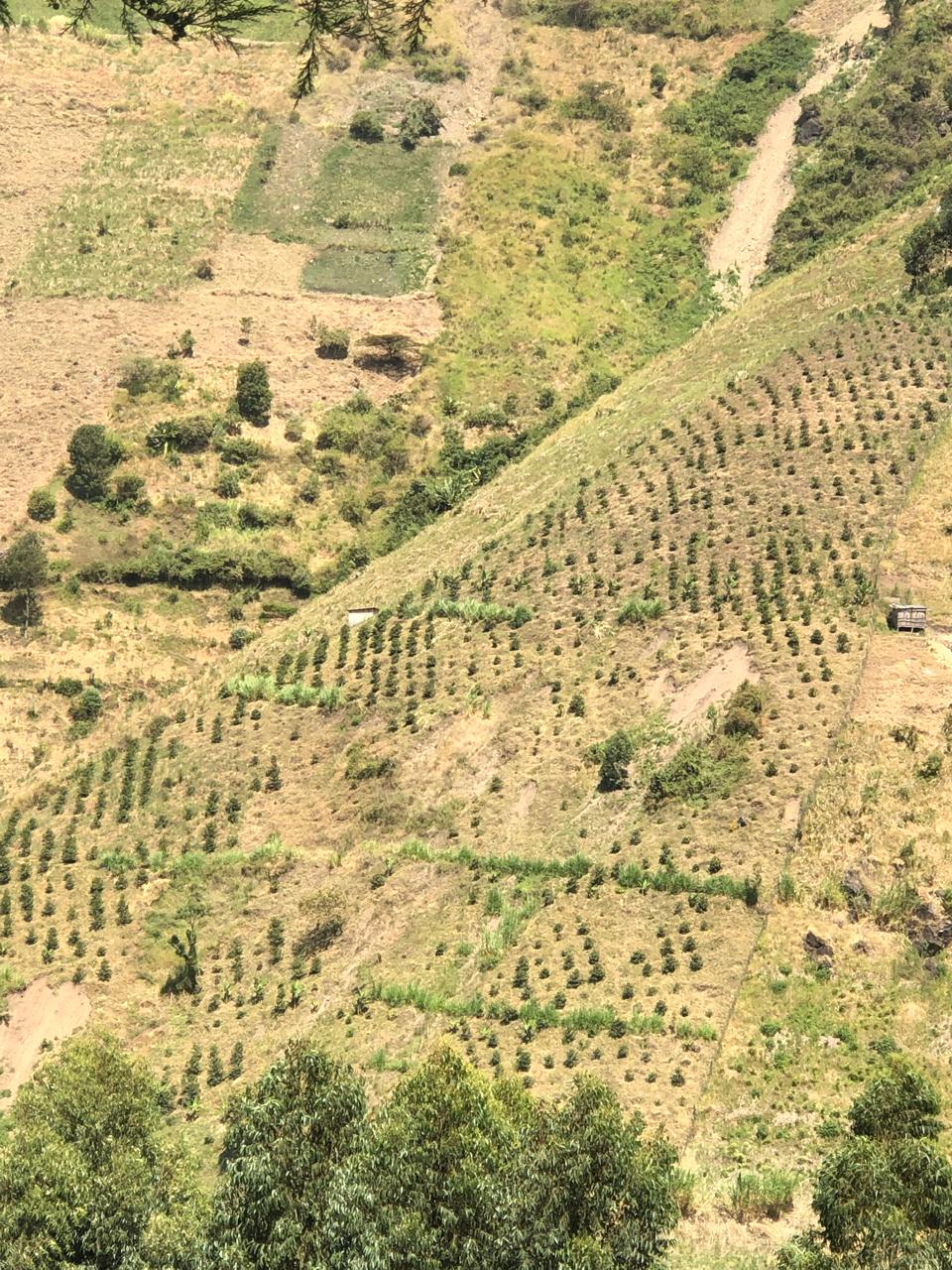
Building Climate-Resilient Communities in Kenya's Rift Valley
Communities living on slopes and in valleys of the Rift Valley face escalating climate-related disasters that trap them in cycles of poverty.
During intense rainfall, degraded slopes cannot absorb water, causing devastating floods and landslides that destroy homes, crops, and infrastructure in both slope and valley areas. During prolonged dry periods, these same degraded landscapes fail to retain water, leading to droughts that kill livestock, devastate harvests, and force families to deplete savings and sell productive assets.
Each disaster erases years of development progress. Families who lose assets during one disaster have no buffer when the next occurs, pushing them deeper into poverty with each cycle. Without functional early warning systems, disaster preparedness plans, or climate-resilient livelihoods, communities cannot break free from this pattern.
At Jenga Future, we believe if we work with communities to:
Planting productive tree species that stabilize soil, reduce runoff during heavy rains, and increase groundwater recharge during dry periods.
Water harvesting, storage systems, and controlled drainage that capture flood water for use during drought.
Climate-adapted income sources—including drought-resistant crops, livestock management, tree products, and off-farm enterprises.
Community-based systems that monitor rainfall patterns and river levels to provide advance notice of floods (hours to days) and droughts (weeks to months).
Through evacuation planning, emergency resource stockpiles, water rationing protocols, and livestock movement strategies.
Ensure communities can interpret seasonal climate forecasts, recognize hazard signals, and adjust land use and livelihood decisions accordingly.
Measurable reduction in deaths, injuries, and economic losses from floods and droughts in participating communities
Households maintain and build assets across multiple disaster cycles instead of starting over after each event
School enrollment and health indicators remaining stable through climate shocks rather than deteriorating
Broken patterns where disasters erase development gains and deepen poverty
Building resilient communities, one step at a time.
Theroeticians, practitioners, and community advocates.
Join us in co-creating resilient futures for the North Rift communities. Your support scales our innovative solutions.
We use cookies to enhance your experience, analyze our impact, and ensure our site runs smoothly as we build climate resilience together.
Read our Privacy Policy